
FGW is back and this time he brought 5 best vegetarian protein sources.
Protein is necessary as it builds and repairs tissues and muscles, keeps the immune system strong and acts as an energy source. We will discuss a bit more about them in this blog post itself.
As you can see, this post will focus specifically on Vegetarian protein sources. When people think of protein sources, they automatically think it has to be meat or eggs. But today we will explore some of the cheapest and “vegetarian” protein sources.
These protein sources require minimal preparation, and they provide sufficient protein with every bite.
Let’s first discuss what is protein and why everyone should consume it.
Table of Contents
What is protein and why do we need it?
Proteins are vital nutrients that are found in fish, eggs, meat, etc. These help in building-repairing muscles & tissues, giving energy, supporting the immune system, keeping skin-hair-nails healthy, supporting bone health, and helping in transporting nutrients throughout the body.
Protein also regulates hormone production, and this list will go on and on. Proteins are made of amino acids, there are 20 amino acids. Different amino acids make up a protein.
Some of the amino acids are called essential amino acids because our body can’t make them and we need them through diet.
Speaking of diet, you might have noticed that when I introduced protein in this section, I mentioned only non-veg sources of protein. That’s because most people believe that only eggs, meat or fish contain protein, or they believe that they need a protein powder for their protein intake.
But, with this post, I’ll be focussing on vegetarian and even vegan protein sources. These sources are high in protein, are cost-effective, and require minimum to almost zero preparation.
Btw, if you want to learn more about Protein, I have a separate post for that. Now, we will talk about vegetarian Protein sources.
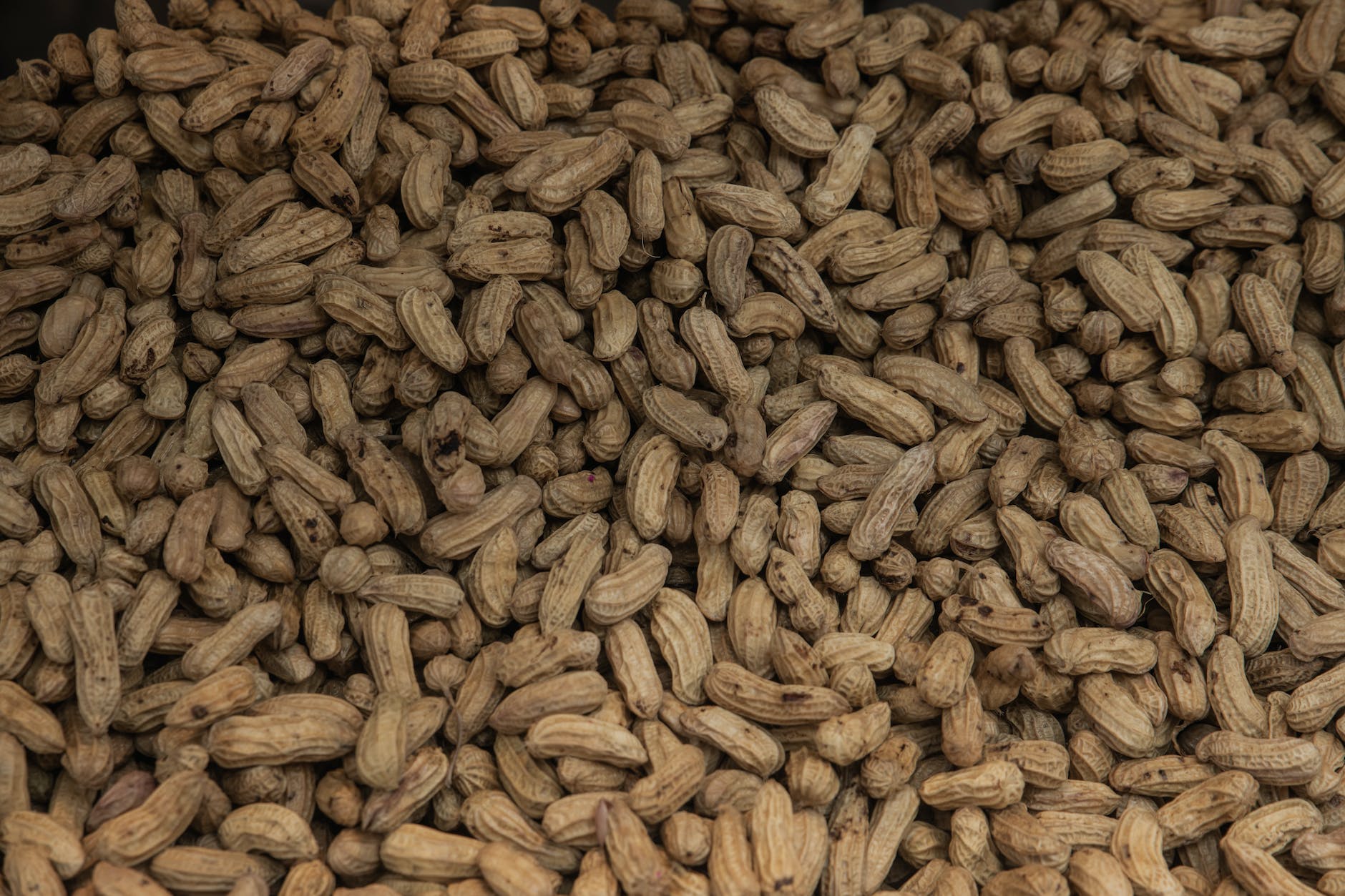
1: The golden Protein source: Peanuts
Peanuts or groundnuts come at number one on this list. They are powerful and cost-effective sources of protein. Just 100 grams of peanuts gives you almost 26 gms of protein and that’s very high in number.
Other than protein, peanuts or groundnuts are also rich in minerals like magnesium, iron, and potassium and vitamins like B & E. Groundnuts are low in glycemic index, and contain fats like Mono-unsaturated and polyunsaturated.
The good thing about them is; peanuts are easily available, like right now it’s in season in India, you can find them easily on the roadside at much cheaper prices. These are basically like gold on streets, as they have various advantages as well.
Regular consumption of peanuts may enhance memory and reduce cognitive decline by 70 %. These are also good for heart health and give strength to muscles.

You can either consume roasted groundnuts directly, as they are irresistible or you can consume them as a quick snack or use them in various recipes, but don’t go overboard with them as too much groundnuts can cause stomach aches, cramps, etc. These are also a bit higher on calories, like 100 gm contains 567 calories, so those who are on a strict diet need to watch their intake.
You can find how much protein you need daily. For that know you weight in kilograms and now multiply it with 0.8, the result is the quantity of protein you need in grams. For example I weigh 78 kgs, so 78* 0.8 = 62.4 gm. So I need atleast 62.4 gms of protein DAILY.
FGW
2: Roasted protein sources: Roasted chana
I don’t understand why people are sleeping on dry roasted chane as an effective protein source. To be honest, I was one of them until very recently. These are wonderful snacks, easy to carry, and contain up to 23 gms of protein in just 100 gms.
It has different names in different languages, like in English these are called chickpeas, but I think that’s a different thing. Anyway, I’ll share a pic and you can decide with what name you refer chana as.
So, as I was saying, these chane are effective protein sources, but other than that they contain dietary fibers, vitamins A, C, Calcium, and iron.
Generally, people in India eat chane differently, You can either get them in powder form and mix some water and they become a convenient protein powder. Or, you can simply eat a handful of them and they won’t harm you. And, hey, don’t ignore the black cover, as they contain fibers that are good for digestion.

I carry them to the office, as they are so convenient and satiating, that when I eat 100 gm, I won’t feel the need to eat anything soon. However, we can’t ignore that 100 gm contains 355 calories.
3: The green vegetarian protein source: Mung/moong
Mung beans or green grams, are yet another effective and healthy entrant in our list today. These are very diverse and you can make a lot of things with them.
100 gms Mung contains 26 gms protein. But, if you boil them, you can get 7 gms of protein from 100 gms. Further, if you sprout them you can get 2 gms of protein from 100 gms.
There are various ways one can consume these green beans. You can either make a laddoo (sugar ball) out of them (it’s flour), or you can make daal (lentil) out of them and then there are various ways how one can eat these gluten-free beans into their diet.


Mung carries Vitamin B1, B2, B3, B5, B6, B9, and Vitamin C, and contains minerals like copper, selenium, phosphorous, calcium, zinc, potassium, magnesium, etc. Boiled mung are low in calories and people who are trying to lose weight can have 100 gms easily in a meal. Further, boiling makes them easier to digest, so one can consume them easily.
Mung has anti-inflammatory and anti-cancer properties and even helps in reducing the risk of chronic diseases.
4: Best breakfast choice: Oats
Depending on type of oats, one can get 16-17 gms of protein from 100 grams of oats. Oats are generally marketed as a healthy breakfast option to maintain weight. Although these are a bit high in calories (for 100 gm), but are surely very healthy.
Other than protein, oats are a great source of Vitamin B1, B2, B3, B5, B6 and B9. These are great sources of dietary fiber and contain very little sugar. Just like other entrants Oats are rich in manganese, copper, zinc, potassium, phosphorous, magnesium, iron, and calcium. Oats have many great advantages associated with them.

Oats are a popular breakfast choice among those who prefer a nutritious and filling breakfast. You can try it in multiple ways, like cooking them and adding some veggies like green peas, capsicum, and tomatoes or adding something like cottage cheese (paneer) or tofu with them to increase protein content in them.

Or you can consume them with milk, with some added berries, and nuts (another great source of protein). Speaking of milk, our final entrant is made out of milk.
100 gm paneer contains 18-20 gm of protein
5: The white pearl: Curd
Curd, yogurt, or Greek yogurt are popular and yet underlooked protein sources. They are popular, as in India people include curd into their diet in various ways, but people underlook them as a great protein source.
Curd is made of Milk, so these are the only non-vegan protein sources on our list today. But, Let’s focus on how much protein 100 gms of curd contains. 100 gms contains 9-10 gms of protein. Contains fewer carbs than milk and are rich source of probiotics, so keeps digestion in check.
Curd are mostly water, so these are excellent sources of refresher in summer. But let’s not forget that curd also contains vitamin B12. A vitamin for which people take supplements or think that it’s only available in a non-veg diet.
Along with B12, curd contains Vitamin A, C, and B2, hence it helps in improving immunity as well.

One easiest way to costume curd is directly as it is. You can add some jaggery powder and chia seeds and that will increase the protein intake further.
Chia seeds contains 2.3 gms of protein in 1 tablespoon.
Conclusion
So today, we have learned and remembered some excellent protein sources which are veg and require almost zero preparation. These sources can be trusted and have no such harmful effects.
You may not necessarily need protein powder or a non-veg protein diet, as a veg protein diet is fulfilling all your needs easily.
In the comments tell me if you consume any of these protein sources, if not now is the time. And if you do, share recipes and ideas.
I have left great potential for part 2 or 3 of this blog post and we will discuss more protein sources in the future.
Until next time, you know what you got to do……
SMILE.






Leave a Reply to DestinyCancel reply