
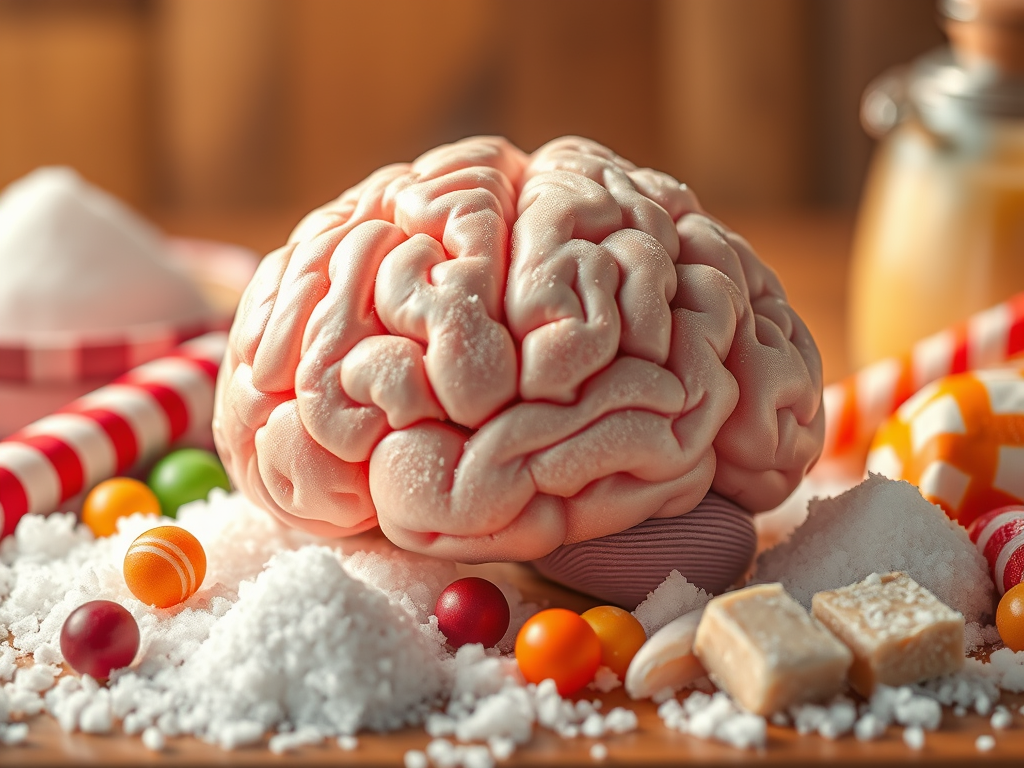
We shouldn’t just be asking how to follow a zero added sugar diet
We should be asking why to follow a zero added sugar diet.
In this blog post, we’ll look at what sugar is doing to our bodies and why you need to stop consuming too much of it.
But first, I’m just curious, are you a fan of cola, chocolate shakes, or those fancy donuts?
Well, you may need to watch the sugar content in them because they’re harming you in more than one way.
Do we even need sugar?
If I give the honest answer, then no!
We don’t need sugar at all. Sugar is converted into glucose.
Glucose is the fuel we need, but the body is capable of making glucose even with no sugar added.
Carbs like rice, oats, fruits, and veggies?
The body can break them down to make glucose for fuel.
Even protein can be converted into glucose when needed.
You might have seen that the AHA recommends 25 g of added sugar per day for women, and 36 g for men.
This doesn’t mean this much sugar is needed daily.
It simply means this is the borderline or “warning zone”, and if you’re consuming more than that, it’s harming you.
Now, the biggest question is: What happens to sugar in the body?
What happens to sugar in the body
Won’t go complex here, but the body breaks down food into simple sugar (mainly glucose) to use as energy.
This causes a rise in blood sugar.
That’s when the pancreas releases insulin. Insulin is a hormone that tells the liver, fat, and muscle cells to absorb glucose from the blood.
The remaining glucose is converted into glycogen for later energy use.
But it has a limit, and when you eat more carbs (sugar) than you burn, the rest is deposited as fat.
How added sugar messes with your body
The cycle
The sweet taste also activates the brain’s reward circuits. Eating sugar causes the release of the feel good neurotransmitter dopamine, and it gives a feeling of pleasure.
The dopamine surge also teaches the brain, “Hey, I love that feeling, let’s do it again.”
So it’s like a reward the brain feels it’s getting.
Sugar also activates the brain’s opioid system (the one that’s triggered by painkillers).
A study in animals has shown that this dopamine and opioid surge has addictive potential.
So not only do you like it, you want more of it.
Such foods also have a high GI, which means a sharp rise and drop in blood glucose.
This causes hunger and fatigue fast, and then you need more to feel good again.
“No sugar added” may seem like a good option here, but still, it’s hard to train the brain that loves the hit sugar gives it.

The brain health
Studies have shown that there is a link between sugar consumption and cognitive decline.
High sugar intake has repeatedly been linked to a greater risk of dementia.
Sugary drinks and foods with added sugar are also associated with faster brain ageing, poorer memory, and a higher risk of Alzheimer’s disease, not just in the elderly, but even in young adults.
I’ve already shared how the brain and sugar interact when it comes to cravings and mood.
But studies have also shown that there’s a 23% higher risk of developing mental disorders in those with high sugar consumption, compared to those who consume no sugar added diet.
In a U.S. survey, each 100 g/day increase in sugar intake was associated with a 28% higher prevalence of clinically significant depression.
Gut health and bad bacteria
Reviews suggest that a diet high in added sugar (Western diet) alters the gut microbiome balance.
That means high sugar diets increase inflammatory, bad bacteria and reduce the good bacteria in your gut.
Excess sugar reduces microbial diversity and weakens gut defenses.
High sugar intake can also lead to leaky gut, where harmful bacteria pass through the gut wall into the bloodstream.
Sugar’s effects on reproductive health
I would also like to mention sugar’s effect on reproductive health, because that’s easily ignored.
PCOS is driven by insulin resistance and excess androgens.
A diet high in sugar leads to hyperandrogenism.
Women with irregular or painful periods tend to report higher consumption of sugary diets, suggesting that sugar even disrupts menstrual health.
Human studies have shown that sugar suppresses testosterone production in males by 25% within 2 hours of consumption.
Habitual high intake of sugary drinks, packaged foods, and SSBs is also linked to impaired hormonal balance in men.
Recent reports show that those who regularly consume sugary drinks throughout the week have a 22% reduction in sperm concentration, compared to those who don’t drink them at all.
Is zero added sugar the solution?
Well, maybe, maybe not!!
Depends.
Zero added sugar means it should not have any sugar added to it whatsoever.
In the market, you may see tons of products with claims like “no added sugar,” but they may have sugar under other names.

Whatever you’re consuming, cola, donuts, chips, sauce, even pizza with extra cheese, can have added sugars.
So, you have to evaluate your diet accordingly.
A few things that help:
Eating whole and real food
Smart snacking (like nuts and seeds)
These can help you ensure that you have zero added sugar in your diet.
At times, it can be hard to manage
Sometimes no sugar added food may have things that are not healthy for you.
But the more we learn about our food, the better control we have.
Conclusion
Sugar is messing with our bodies in more ways than we realize.
It’s hard to resist, and now you know why.
From digestive health to reproductive health, sugar is harmful to all of them.
A no added sugar diet may feel like a relief at times, but overall, we need better control of our diet and our body.
Learning more is the best solution.
And hey, I’m here to guide you with that.
You can reach out on LinkedIn if you need any help with your diet or want to discuss more.
See you soon.






Leave a Reply to Danny WattsCancel reply